



Essential Maintenance Tips to Keep Your Mini Excavator Running Smoothly
Introduction
A Mini Excavator is an essential piece of equipment in construction, landscaping, and agricultural industries due to its compact size and versatility. However, to ensure its peak performance and extend its lifespan, regular maintenance is crucial. Neglecting routine servicing can lead to costly repairs, reduced efficiency, and even unexpected downtime that can halt projects.
One of the most common issues that arise from poor maintenance is engine failure, which is often caused by clogged air filters or contaminated fuel. Additionally, worn-out tracks and hydraulic system malfunctions can impact the excavator's maneuverability and digging power. According to heavy machinery expert John Deere, "Preventive maintenance is the key to ensuring a Mini Excavator runs smoothly—identifying minor issues early can prevent major breakdowns."
Proper Mini Excavator maintenance also improves operational efficiency, reducing fuel consumption and ensuring the machine operates safely. Regular inspections of key components such as the undercarriage, hydraulic system, and attachments can prevent excessive wear and tear, allowing the operator to maximize productivity. By implementing a structured maintenance plan, equipment owners can significantly cut down on long-term operational costs.
With an increasing reliance on Mini Excavators for various tasks, prioritizing maintenance is more important than ever. Whether it’s daily pre-operation checks or scheduled servicing, taking proactive steps will ensure the machine remains reliable and efficient.
Daily and Weekly Maintenance Checks for Mini Excavators
Regular maintenance checks are essential to keep a Mini Excavator in peak working condition. Performing daily and weekly inspections can help identify minor issues before they escalate into costly repairs. A structured maintenance routine ensures the machine operates efficiently, minimizing downtime and prolonging its lifespan.
Before starting operations, it is critical to perform a pre-operation inspection. This includes checking the hydraulic fluid levels, engine oil, and coolant to ensure there are no leaks or deficiencies. Low fluid levels can cause excessive wear on components and lead to severe mechanical failures. Air filters should also be inspected and cleaned to prevent dirt buildup, which can reduce engine efficiency and lead to overheating.
Another crucial aspect of maintenance is examining tracks, tires, and the undercarriage. Dirt, debris, and rocks can accumulate, causing excessive wear and leading to potential malfunctions. Operators should check for any loose bolts, cracks, or damage in the undercarriage and clean it after every use. Proper track tension is also essential—tracks that are too loose can come off, while overtightened tracks can cause premature wear.
Lubrication is key to preventing friction and ensuring smooth operation. Mini Excavators have multiple moving parts, including joints and pivot points, that require regular greasing. A lack of lubrication can lead to metal-on-metal contact, increasing the risk of part failure. Using manufacturer-recommended grease and applying it to all necessary components will help maintain optimal performance.
By conducting daily and weekly maintenance checks, operators can ensure their Mini Excavator remains in top condition, reducing the risk of unexpected breakdowns. Consistent upkeep not only extends the machine’s life but also enhances safety and productivity on the job site.
Engine and Hydraulic System Maintenance
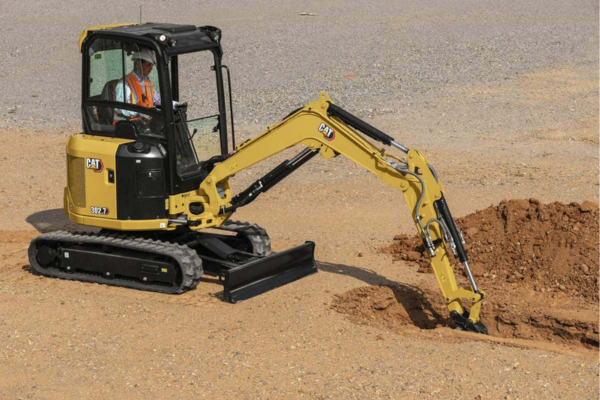
The engine and hydraulic system are the heart of any Mini Excavator, playing a crucial role in its efficiency and performance. Proper maintenance of these components ensures smooth operation, prevents costly repairs, and extends the machine's lifespan. Regular inspections and servicing help avoid potential failures that can lead to downtime and decreased productivity.
To keep the Mini Excavator's engine in peak condition, operators should routinely check engine oil levels, replace filters, and ensure the cooling system is functioning correctly. Engine oil should be changed at manufacturer-recommended intervals to prevent contamination and maintain optimal lubrication. Dirty or clogged air filters can reduce engine efficiency and increase fuel consumption, so they must be cleaned or replaced as necessary. Additionally, inspecting the radiator and coolant levels helps prevent overheating, which is a common cause of engine failure.
The hydraulic system is another vital component that requires careful attention. Hydraulic fluid levels should be checked regularly, as low levels can lead to reduced power, slow operation, and potential damage to hydraulic pumps and cylinders. Using the correct hydraulic fluid specified by the manufacturer is crucial for maintaining system efficiency. Filters should also be replaced at regular intervals to prevent contamination, which can cause blockages and wear on hydraulic components.
Operators should be vigilant in identifying hydraulic leaks, as even minor leaks can lead to serious performance issues over time. Hoses, connectors, and cylinders must be inspected for cracks, loose fittings, or fluid seepage. If leaks are detected, they should be addressed immediately to avoid costly system failures. Keeping hydraulic lines clean and free from dirt and debris prevents premature wear and ensures smooth fluid flow.
Undercarriage and Track Maintenance: Extending Machine Life
The undercarriage and tracks of a Mini Excavator endure the most wear and tear, as they come in direct contact with rough terrains, mud, and debris. Proper maintenance of these components is essential for extending the machine’s lifespan and ensuring efficient operation. Neglecting undercarriage and track maintenance can lead to costly repairs, decreased performance, and even machine failure.
One of the most important maintenance tasks is cleaning the undercarriage and tracks after each use. Dirt, mud, and debris can accumulate in the undercarriage, causing premature wear and reducing the machine’s ability to move smoothly. Operators should use a pressure washer or a stiff brush to remove buildup, paying special attention to rollers, sprockets, and track chains. Regular cleaning prevents material buildup that can strain the engine and hydraulic system.
Adjusting track tension is another key aspect of Mini Excavator track maintenance. Tracks that are too tight can lead to excessive wear, increased fuel consumption, and damage to the rollers and idlers. Conversely, loose tracks can derail, reducing efficiency and posing safety hazards. It is essential to follow the manufacturer’s guidelines to ensure the correct track tension for different terrains. Operators should inspect and adjust tension regularly, especially when working on varying ground conditions such as mud, gravel, or rocky surfaces.
In addition to cleaning and tension adjustments, monitoring track wear is vital to maintaining machine stability. Over time, tracks, rollers, and sprockets will naturally wear down, affecting traction and performance. Inspecting these components for cracks, missing links, or uneven wear patterns allows for timely replacements, preventing unexpected breakdowns. Replacing worn-out tracks and rollers before they become severely damaged helps maintain smooth operation and reduces long-term maintenance costs.
Proper undercarriage maintenance not only prolongs the life of the Mini Excavator but also enhances fuel efficiency, maneuverability, and overall performance. By implementing routine cleaning, correct track tensioning, and regular wear inspections, operators can ensure that their Mini Excavator remains reliable and effective across different job sites.
Bucket and Attachment Care for Optimal Performance
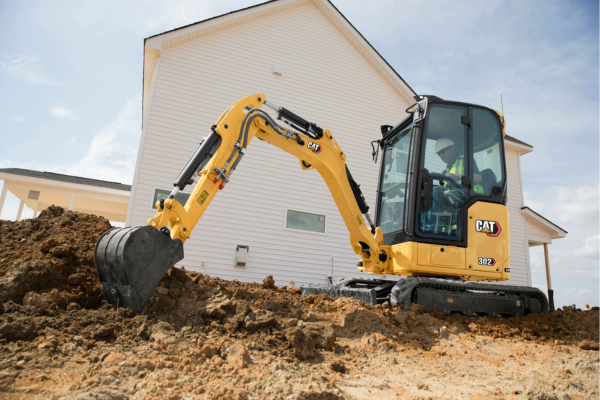
The bucket and attachments of a Mini Excavator play a crucial role in its versatility and efficiency across different tasks. Proper maintenance of these components ensures smooth operation, extends their lifespan, and prevents unexpected breakdowns that can disrupt workflow. Since attachments frequently endure heavy loads, friction, and exposure to tough materials, regular care is essential to maintain optimal performance.
One of the most important steps in bucket and attachment maintenance is ensuring proper installation and secure attachment fitting. Loose or improperly installed attachments can lead to operational inefficiencies, excessive wear, and even safety hazards. Before starting any job, operators should check that the attachment is securely locked in place and that all connection points, pins, and hydraulic couplers are properly fitted.
Another critical aspect of maintenance is inspecting and replacing worn-out cutting edges and teeth. The Mini Excavator bucket is exposed to continuous impact and friction, which gradually wears down its edges and teeth. Worn-out cutting edges reduce digging efficiency and increase fuel consumption. Regularly inspecting these components and replacing them when necessary prevents performance issues and extends the attachment's usability. Investing in high-quality, wear-resistant bucket teeth can improve durability and reduce long-term costs.
Cleaning and storing attachments properly is also crucial for preventing rust and damage. After each use, operators should clean off dirt, debris, and moisture from the bucket and other attachments. Using a wire brush or pressure washer helps remove tough material buildup. Applying anti-rust coatings or lubricants to metal parts prevents corrosion, particularly when storing attachments for long periods. Keeping attachments in a dry, covered space also helps protect them from weather-related wear.
Regular hydraulic system inspections are necessary for attachments that rely on hydraulic power, such as hydraulic breakers, augers, and grapples. Checking for leaks, ensuring proper hydraulic fluid levels, and inspecting hoses for cracks or wear can prevent malfunctions and improve overall attachment efficiency. Proper hydraulic pressure adjustments also contribute to smoother operation and better performance.
By implementing these maintenance practices, Mini Excavator owners can maximize the performance and lifespan of their buckets and attachments. Ensuring secure installation, regular inspections, cleaning, and proper storage will prevent costly downtime and keep the Mini Excavator running efficiently for various tasks.
Conclusion
Proper maintenance is the key to keeping a Mini Excavator running efficiently and extending its lifespan. Regular servicing and inspections not only prevent costly breakdowns but also enhance the machine’s overall performance and safety. By following a structured maintenance routine, operators can reduce downtime, improve fuel efficiency, and ensure their Mini Excavator remains reliable for years to come.
From daily fluid checks and undercarriage inspections to proper bucket and attachment care, every aspect of maintenance contributes to smooth operations. Keeping the engine and hydraulic system in optimal condition prevents power loss and system failures, while maintaining tracks and undercarriage ensures stability and control on various terrains. Investing time in cleaning, lubrication, and replacing worn-out parts ultimately saves money by avoiding expensive repairs and downtime.
FAQs: Common Questions About Mini Excavator Maintenance
1. How often should I perform maintenance on my Mini Excavator?
Regular maintenance is essential for keeping your Mini Excavator in optimal condition. Daily pre-operation checks, including fluid levels and visual inspections, should be performed before each use. More detailed inspections, such as track tension adjustments, lubrication, and hydraulic system checks, should be conducted weekly. A full servicing, including oil changes and component replacements, should be scheduled according to the manufacturer’s guidelines, typically every 250 to 500 operating hours.
2. What are the most common maintenance issues with Mini Excavators?
The most frequent maintenance challenges involve hydraulic system leaks, undercarriage wear, engine performance issues, and attachment failures. Dirt and debris buildup in tracks, worn-out cutting edges on buckets, and improper lubrication can lead to performance problems and costly repairs. Regularly inspecting these areas can prevent major breakdowns.
3. How do I know if my Mini Excavator’s hydraulic system needs servicing?
Signs of hydraulic system issues include slow or weak hydraulic responses, overheating, excessive noise, and visible leaks. If you notice a decline in performance, check hydraulic fluid levels, filters, and hoses for any signs of wear or damage. Replacing hydraulic fluid and filters at recommended intervals helps maintain efficiency.
4. What is the best way to clean and store Mini Excavator attachments?
Attachments should be cleaned after each use to remove dirt, grease, and debris, which can lead to rust and reduced efficiency. Store attachments in a dry, covered area to protect them from the elements. Applying a light coat of lubricant or rust-preventive spray on metal surfaces can help prolong their lifespan.
5. How can I extend the life of my Mini Excavator’s tracks?
Proper track tension adjustment is crucial for longevity. Tracks that are too tight can cause premature wear and reduced efficiency, while loose tracks may derail and lead to instability. Cleaning tracks after use, avoiding unnecessary sharp turns, and inspecting for cuts, missing links, or excessive wear will help extend their lifespan. Replacing damaged track components before they fail completely is key to preventing costly downtime.



Address: Linshu, Shandong, China
Email: [email protected]
Phone: +86 13296394877
Website: tianhuimachinery.com