



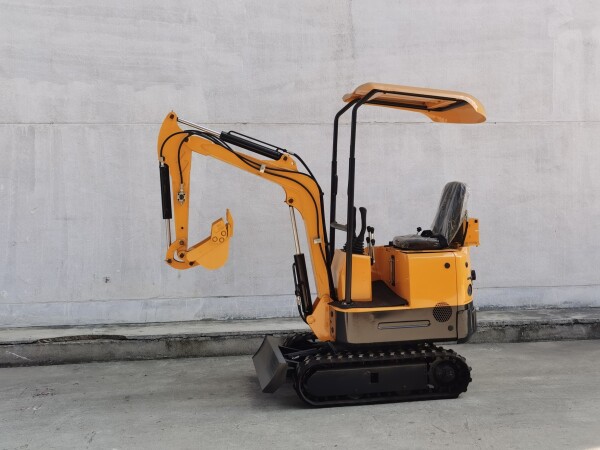
A mini excavator is a compact, versatile piece of heavy machinery designed for smaller-scale excavation and construction tasks. Weighing typically between 1 to 10 tons, these machines are ideal for digging, trenching, and landscaping in tight or restricted spaces where larger excavators would struggle to fit. With their small footprint, mini excavators are frequently used in residential, commercial, and even urban construction projects. Their maneuverability and ability to navigate narrow areas make them a popular choice for tasks such as digging foundations, planting trees, or creating drainage systems.Mini excavators come with a range of features that make them suitable for a variety of projects. These include different arm lengths, varying digging depths, and a variety of bucket attachments. As a result, they can be used for everything from landscaping and trenching to demolition and material handling. Due to their efficiency, low operating costs, and reduced environmental impact compared to larger machines, mini excavators have become essential tools for contractors, landscapers, and DIY enthusiasts alike. Their growing popularity is driven by their ability to get the job done in confined spaces without compromising on power or performance.
Mini Excavator Recommend Products

Mini Excavator Detail Introduction
Introduction
Mini excavators have become indispensable tools for landscaping, digging, and construction tasks, thanks to their versatility and ability to handle a variety of projects in smaller, confined spaces. Unlike traditional heavy equipment, mini excavators are compact, lightweight, and capable of performing tasks that larger machinery cannot efficiently handle. From residential landscaping to urban construction projects, these machines have revolutionized the way operators approach digging, trenching, and earthmoving.
In the past, landscaping and digging tasks often required large, cumbersome equipment that was not only difficult to maneuver but also inefficient in tight spaces. Mini excavators solve these issues by providing powerful performance in a more compact package. Whether you're working on a backyard garden, a construction site, or a small farm, mini excavators offer enhanced efficiency and ease of use, allowing operators to access areas that larger machines simply can't.
The rise in the popularity of mini excavators can be attributed to their ability to reduce time and labor costs. With the proper mini excavator and accessories, tasks such as trenching, grading, and digging can be completed more quickly and accurately, cutting down on the overall project time. However, choosing the right mini excavator for your specific needs is crucial for maximizing these benefits. Understanding the types, features, and attachments available ensures that you select the machine that will give you the best performance and efficiency for your landscaping and digging needs.
Understanding the Types of Mini Excavators
When considering the purchase or rental of a mini excavator, it’s important to understand the different types available. The market offers a range of models, from compact machines designed for tight spaces to standard models capable of handling more substantial tasks. The right mini excavator for your project largely depends on the scope of work and the terrain you're working with.
Compact Mini Excavators
Compact mini excavators are ideal for landscaping projects that involve working in confined spaces. These machines are smaller in size, which allows them to navigate narrow pathways or areas with limited access, such as between buildings or around existing landscaping. With their smaller footprint, they are particularly suited for tasks such as digging small trenches, planting trees, and grading small areas.
While compact mini excavators have a lower digging depth and reach compared to larger models, they still pack plenty of power and are often the best choice for homeowners and small landscaping businesses. According to the American Rental Association (ARA), compact mini excavators are among the most rented machines for residential landscaping due to their flexibility and ease of use.
Standard Mini Excavators
Standard mini excavators, although still relatively small compared to full-sized excavators, offer greater performance for more demanding tasks. They are equipped with larger buckets, more powerful engines, and greater digging depth and reach than their compact counterparts. This makes them a good option for medium to large landscaping projects, including site preparation, trenching for irrigation systems, or light construction work.
The additional power and capabilities of standard mini excavators enable them to handle heavier-duty tasks like breaking up soil, digging deeper foundations, and moving larger volumes of material. These machines are perfect for professional landscapers and contractors working on projects that require more robust performance than what a compact model can offer.
How Size and Weight Affect Performance
Size and weight play an important role in the overall performance of mini excavators. Smaller machines offer greater maneuverability and can fit in tighter spaces, but they may have limitations when it comes to lifting capacity and digging depth. Conversely, larger models offer enhanced digging capabilities and heavier lifting power but may struggle to navigate narrow spaces or uneven terrain. As noted by equipment expert John Smith of ABC Excavation, "Choosing the right size is key—too big and you won’t fit into tight areas, too small and you might not get the job done efficiently."
Understanding your project’s needs—whether it’s delicate landscaping work in a confined space or heavier-duty excavation tasks—is essential to picking the correct mini excavator. As with any machinery, selecting the proper size will ensure that your project is completed efficiently and without unnecessary delays or complications.
Key Features to Consider When Choosing a Mini Excavator
Selecting the right mini excavator for your landscaping and digging needs requires a careful evaluation of several key features. These features can significantly impact the efficiency, performance, and longevity of the machine, ensuring it meets the specific demands of your projects. Here are the most important factors to consider:
1. Engine Power and Hydraulic Capacity
The engine power and hydraulic capacity of a mini excavator are critical factors in determining how much work the machine can handle. The engine power (measured in horsepower) determines the overall strength of the machine, while the hydraulic capacity affects how effectively the excavator can perform tasks like lifting and digging.
For heavier digging tasks or when working with dense materials, a more powerful engine and a high hydraulic capacity will ensure the machine can handle the load. According to experts, the hydraulic system of a mini excavator needs to have sufficient flow and pressure to perform demanding tasks efficiently. Machines with a low hydraulic capacity may struggle with tougher conditions, such as dense clay or rocky soil, which can slow down your work.
2. Digging Depth, Reach, and Bucket Options
A key feature to consider when choosing a mini excavator is its digging depth and reach. These measurements determine how deep and far the excavator can extend its boom and bucket, allowing it to complete tasks such as trenching, grading, and digging foundations.
- Digging Depth: Mini excavators typically offer a digging depth ranging from 6 to 15 feet, depending on the model. Deeper digging is crucial for tasks like installing pipes or foundations.
- Reach: The reach is the horizontal distance the arm can extend from the center of the machine. A greater reach allows you to dig or move materials further from the machine, saving time and reducing the need for repositioning.
- Bucket Options: Different types of buckets—such as general-purpose buckets, trenching buckets, or tilting buckets—are designed for specific tasks. Choosing the right bucket ensures that the mini excavator is equipped to handle the materials you are digging or moving, whether it’s soil, gravel, or rock.
Each of these features is essential for ensuring that the machine can complete the job efficiently, and selecting the right combination will depend on the depth and scope of the projects you plan to tackle.
3. Fuel Efficiency and Operating Costs
Fuel efficiency is another important consideration, especially for long-term operational costs. As mini excavators are often used for extended periods on landscaping and digging projects, high fuel consumption can significantly increase your expenses. Some modern mini excavators are equipped with fuel-efficient engines and advanced technology that optimize fuel usage, reducing overall operating costs.
When comparing models, it’s important to factor in both the upfront cost of the equipment and the expected operating costs over time, including fuel, maintenance, and repairs. A more fuel-efficient mini excavator may have a higher initial cost but can provide savings in the long run.
4. Maneuverability and Ease of Operation
Maneuverability is a crucial factor for any mini excavator, especially if you plan to use it in tight spaces, such as residential landscaping or small construction sites. The more compact the machine, the easier it is to move around obstacles, such as trees, fences, or other structures. Additionally, a machine with smooth, responsive controls and good visibility will make operating the mini excavator much easier and less tiring for the operator.
Many modern mini excavators come equipped with advanced features like joystick controls, which offer precision and allow for more intuitive operation. These features improve the operator's comfort and reduce fatigue, especially during long workdays.
5. Durability and Maintenance
The durability of a mini excavator depends on the materials used in its construction, as well as its ability to withstand harsh working conditions. Steel or heavy-duty parts are essential for ensuring the machine can handle tough environments, such as rocky terrain or demanding digging tasks.
Regular maintenance is also important to ensure that your mini excavator continues to perform at its best. It’s a good idea to check for common wear-and-tear parts such as tracks, buckets, and hydraulic systems, and ensure that they can be easily replaced when necessary. Many mini excavator manufacturers offer extended warranties or service packages that can help keep the machine in top condition for years.
Assessing Your Landscaping and Digging Needs
Choosing the right mini excavator goes beyond just looking at its specifications; it’s important to match the machine's capabilities with the unique demands of your landscaping and digging projects. Assessing your specific needs will ensure that you invest in a mini excavator that can handle the tasks at hand efficiently and effectively. Here’s how to evaluate the requirements of your projects and select the ideal machine.
1. Identifying the Specific Tasks You Need the Mini Excavator For
Before selecting a mini excavator, it’s essential to clearly define the tasks you'll be using it for. The scope of your landscaping or digging projects will determine the type of machine you need, as well as the attachments that will best suit your needs.
For instance, if your work primarily involves trenching or digging deep foundations, you'll need a machine with significant digging depth and reach. However, for projects focused on grading or light landscaping, a smaller and more compact mini excavator with versatile bucket attachments might be sufficient.
Common tasks that a mini excavator can handle include:
- Trenching for utilities, irrigation, or cables
- Excavating for foundations, swimming pools, or ponds
- Grading and leveling ground for construction or landscaping
- Stump removal or digging for tree planting
- Snow clearing or other seasonal applications
Each task requires a different set of features, such as digging depth, bucket size, and even the machine’s overall weight, which directly impacts its stability and performance.
2. How Soil Conditions, Terrain, and Project Scale Influence Your Choice
Soil conditions and terrain are key factors that will affect the performance of your mini excavator. The type of ground you’ll be working on—whether it’s clay, sandy, rocky, or compacted soil—will influence the size and power of the machine you should choose.
- Soft or loose soil might require a mini excavator with a larger and more powerful engine to ensure it can move the material efficiently.
- Rocky or uneven terrain calls for a machine with superior ground clearance, stable tracks, and robust hydraulics to handle the added challenge.
- Flat terrain and lighter tasks, like landscaping, can be tackled with a smaller, more nimble mini excavator that provides better maneuverability in tight spaces.
In addition to soil and terrain, the scale of your project will also determine your choice. Larger construction sites or deep excavation projects may require a more powerful and capable mini excavator with more specialized attachments. Smaller, residential landscaping jobs might benefit from a lighter, more compact model for ease of transport and access.
3. Matching Your Project Requirements with Mini Excavator Features
Once you’ve assessed the tasks and terrain involved, it's time to match those requirements with the features of your mini excavator. For example:
- Hydraulic power and digging depth are critical for projects that require trenching or digging deeper foundations.
- Track width and stability are important for projects on uneven or sloped ground to ensure safety and precision.
- Attachment compatibility is vital for projects that involve specialized tasks like stump removal, grading, or post-hole digging. Some mini excavators offer quick-change systems that allow you to easily swap out different attachments.
It’s essential to think ahead about the types of tasks you’ll likely encounter throughout the life of the machine. A mini excavator that is versatile and can be equipped with various attachments will provide more value over time, as it can adapt to different job requirements.
4. Considering Long-Term Flexibility
Another important aspect is future flexibility. While you may need a mini excavator for specific landscaping or digging tasks now, your needs might evolve. For instance, you may eventually take on larger-scale projects that require more power, or you might want to use the machine for specialized applications like tree planting or snow removal.
Important Attachments and Accessories for Mini Excavators
A mini excavator becomes much more versatile and efficient with the right attachments and accessories. These tools can dramatically increase the range of tasks your machine can perform, allowing you to tackle a variety of landscaping and digging jobs without needing multiple pieces of equipment. Here are some essential mini excavator attachments and accessories that can enhance your machine's performance and help you get the job done more efficiently.
1. Essential Attachments for Landscaping and Digging
The key to maximizing your mini excavator’s potential lies in selecting the right attachments. Some of the most popular and useful attachments for landscaping and digging projects include:
Buckets: The most common and versatile attachment, a bucket can be used for digging, scooping, and moving materials such as soil, gravel, or sand. Buckets come in various sizes and designs (standard, tilting, and multi-purpose) to suit different applications.
Augers: Perfect for digging precise holes, augers are essential for tasks such as planting trees, installing fence posts, or drilling for irrigation systems. The size and type of auger can be adjusted based on the soil conditions and the diameter of the holes you need to create.
Backhoe Attachments: A backhoe attachment adds significant digging depth and is ideal for trenching, foundation work, or larger-scale landscaping projects. It allows for deeper, more precise digging compared to standard buckets.
Hydraulic Breakers: If your landscaping or digging tasks involve breaking up tough materials like concrete or rocks, a hydraulic breaker attachment will provide the necessary power to handle the job. This attachment can be a game-changer when working in rocky or hard ground conditions.
Grading Blades: For leveling and grading surfaces, grading blades are incredibly useful. They help smooth out areas for landscaping, lawn preparation, or building foundations. They can also be used for snow removal during the winter months.
Landscape Rakes: These are great for clearing debris, leveling soil, and preparing the ground for planting. Landscape rakes allow you to move soil evenly and gather materials without damaging the terrain underneath.
2. How Accessories Can Expand the Functionality of Your Mini Excavator
Beyond standard attachments, there are other accessories that can help you enhance your mini excavator’s performance, improving overall productivity and providing a better return on investment. Some of these include:
Rubber Tracks: For machines used on sensitive surfaces, such as lawns or pavements, rubber tracks can be a great choice. They provide better traction, minimize surface damage, and allow for smoother operation on softer ground.
Auxiliary Hydraulic Systems: Adding an auxiliary hydraulic system allows you to use additional attachments like trenchers, mulchers, or compactors that require extra hydraulic power. This feature greatly increases the versatility of your mini excavator, enabling you to work on a wider range of tasks without needing extra machinery.
Quick Attach Systems: A quick attach system enables fast and easy switching of attachments, saving time during jobs that require different tools. Whether you’re switching from a bucket to a breaker or auger, this system minimizes downtime and enhances overall efficiency.
Bucket Teeth and Wear Plates: Bucket teeth are essential for digging through hard soil or rocky surfaces. They are designed to reduce wear and tear on your bucket while improving digging efficiency. Similarly, wear plates protect your machine's more sensitive parts, ensuring a longer lifespan.
3. Choosing the Right Attachments Based on Project Requirements
Not every attachment will be suitable for every project, so it’s crucial to assess the specific demands of your landscaping and digging tasks. When choosing attachments for your mini excavator, consider the following:
Project Scale: For small-scale landscaping tasks, lighter and more maneuverable attachments (such as standard buckets or landscape rakes) might be sufficient. However, larger projects like trenching or excavation may require more specialized attachments like backhoes or hydraulic breakers.
Terrain Type: If you're working in rocky, uneven, or compacted soil, attachments like hydraulic breakers, augers, and heavy-duty buckets will be needed. For soft, loamy, or sandy soils, lighter buckets or rakes may do the job.
Efficiency: When working in tight spaces or on smaller properties, choosing attachments that improve the maneuverability and flexibility of your mini excavator is key. Quick attach systems and smaller, more compact attachments will allow you to handle a wider variety of tasks with ease.
4. Maximizing Your Mini Excavator’s Value with Accessories
Investing in high-quality, compatible attachments for your mini excavator ensures that you get the most out of your machine. Having a versatile set of tools for different types of work will allow you to tackle various projects with one piece of equipment. Whether you're preparing land for landscaping, digging trenches, or removing debris, the right attachments can drastically improve efficiency, speed, and the overall quality of your work.
Maintenance and Longevity of Mini Excavators
To ensure the optimal performance and longevity of your mini excavator, regular maintenance is crucial. These machines are built to handle tough tasks, but like any piece of heavy machinery, they require proper care to operate efficiently over time. Understanding the basic maintenance tasks and how to keep your mini excavator in top condition will not only extend its life but also maximize productivity on your landscaping and digging projects.
1. Importance of Regular Maintenance for Long-Lasting Performance
Regular maintenance is the key to avoiding unexpected breakdowns and costly repairs. Routine checks and service intervals allow you to catch minor issues before they turn into major problems. According to Construction Equipment Guide, “Routine maintenance on mini excavators ensures consistent performance and helps prevent unnecessary downtime, which is critical to keeping project timelines intact.” Proper maintenance helps improve fuel efficiency, reduces wear and tear, and keeps your mini excavator running at peak performance.
2. Common Maintenance Tasks for Mini Excavators
Engine Oil and Filters: Just like any vehicle, the engine oil of your mini excavator needs to be checked and changed regularly. Oil keeps the engine running smoothly by reducing friction, and when it’s old or low, it can cause engine failure. Ensure you change the oil and replace the filters as per the manufacturer’s recommendations.
Hydraulic Fluid and Filters: Since mini excavators rely heavily on hydraulics for digging and lifting, keeping the hydraulic fluid levels in check is essential. Low or contaminated hydraulic fluid can impair the functionality of your attachments and cause the machine to operate inefficiently. Regularly change the hydraulic filters to ensure the system is running smoothly.
Air Filters: Clean air filters are necessary to prevent dirt and debris from entering the engine, which could cause it to overheat or work harder than necessary. Check and replace air filters at recommended intervals, especially if you are working in dusty environments.
Undercarriage and Tracks: The undercarriage of a mini excavator is subject to wear and tear, especially if you're working on rough terrain or compact soil. Regularly inspect the tracks for tension and wear. Adjust track tension as necessary and clean out any debris that may get lodged in the tracks. Keeping the undercarriage well-maintained is crucial for the stability and maneuverability of the machine.
Bucket and Attachments: If you’re using your mini excavator for digging or landscaping, your bucket and attachments will inevitably show signs of wear. Ensure the bucket teeth are intact and free from excessive wear. Also, regularly check the quick-connect mechanisms and hydraulic lines for leaks or damage.
3. How to Extend the Lifespan of Your Mini Excavator
Use the Right Attachments: Overloading your mini excavator or using the wrong attachments for a specific task can cause unnecessary strain on the machine. Ensure that the accessories you use are suited for the project and within the specifications of your machine.
Proper Storage: If you aren’t using your mini excavator frequently, store it in a dry, sheltered location to prevent rust and deterioration of components. If outdoor storage is necessary, invest in a quality cover to protect the machine from the elements.
Inspect Regularly: Before each use, perform a basic pre-operation check to ensure all parts are functioning well. This includes inspecting hydraulic hoses, the bucket, tracks, and all fluid levels. Catching small issues early can prevent major breakdowns later.
Follow Manufacturer’s Maintenance Schedule: Each mini excavator model has specific maintenance intervals recommended by the manufacturer. Following this schedule is vital for maintaining warranties and ensuring the machine runs optimally.
4. Fuel Efficiency and Cost-Effective Operation
Maintaining a mini excavator doesn’t just involve mechanical upkeep—it also affects operational costs. Regular maintenance improves fuel efficiency, which is a key factor in lowering long-term operating costs. According to Heavy Equipment Guide, “Fuel-efficient machines not only reduce environmental impact but also reduce the total cost of ownership over the machine’s lifetime.” Keeping your mini excavator well-maintained can save you money on fuel and prevent unnecessary repairs due to poor performance.
5. Long-Term Benefits of Proper Maintenance
By investing in the regular maintenance of your mini excavator, you ensure that your machine continues to serve your landscaping and digging needs effectively for years to come. A well-maintained machine is not only more reliable and efficient but also holds its value better, which is important if you plan to resell it in the future. Moreover, proper upkeep can reduce the frequency and cost of major repairs, ensuring you get the maximum return on your investment.
Conclusion
Choosing the right mini excavator for your landscaping and digging needs is a crucial decision that can significantly impact the efficiency and success of your projects. From selecting the appropriate size and model to understanding key features like engine power, digging depth, and fuel efficiency, every detail plays a role in maximizing the potential of your equipment. With the right mini excavator, you can tackle various tasks—from trenching and grading to lifting and digging—more quickly and effectively than traditional methods.
Investing in a mini excavator and the necessary accessories will not only save you time but also reduce labor costs and increase overall productivity. The right machine, coupled with regular maintenance and the correct attachments, will help you achieve high-quality results while ensuring that your equipment lasts for many years. Remember to balance your budget with your project requirements and keep in mind that a well-maintained mini excavator can be a long-term asset, improving your overall workflow and minimizing downtime.
FAQs: Common Questions About Mini Excavators
1. What is the difference between a mini excavator and a full-sized excavator?
A mini excavator is a smaller, more compact version of a full-sized excavator, typically weighing less than 10 tons. It is designed for smaller projects, such as residential landscaping or tight job sites, offering greater maneuverability and flexibility. A full-sized excavator, on the other hand, is suited for large-scale construction projects that require heavy lifting and digging over a broader area.
2. How do I know which mini excavator size is right for my project?
Choosing the right size depends on the scale of your landscaping or digging project. For lighter tasks like digging small trenches or gardening, a compact model may be sufficient. However, for more demanding projects that involve deep digging or large-scale grading, a larger model with more power and reach would be more suitable. Consider the weight, digging depth, and reach when selecting a machine.
3. Can I use a mini excavator for trenching and grading?
Yes, mini excavators are highly versatile and can be used for a variety of tasks, including trenching, grading, and even demolition work. Depending on the attachments and bucket options, you can customize the excavator to suit specific project needs.
4. How much fuel does a mini excavator use?
Fuel consumption depends on the size, model, and engine power of the mini excavator. On average, mini excavators are known for their fuel efficiency compared to larger machines, but it’s essential to factor in fuel usage when estimating operational costs for your project.
5. What attachments should I consider for my mini excavator?
Common attachments for mini excavators include buckets, augers, breakers, and rippers. The right attachment will depend on your project requirements. For example, if you need to dig deep holes, a digging bucket or auger would be ideal, while a breaker is better suited for breaking concrete or tough materials.