



Mini Loader Applications: Best Uses for Compact Earthmoving Equipment
Introduction
A Mini Loader is a compact and highly versatile piece of earthmoving equipment designed for various industries, including construction, landscaping, agriculture, and industrial applications. Unlike traditional heavy machinery, Mini Loaders provide excellent maneuverability and efficiency in confined spaces. Equipped with powerful hydraulics and interchangeable attachments, these machines can perform multiple tasks, from lifting and digging to grading and material transport. Their compact size allows operators to navigate tight job sites while maintaining productivity and precision.
One of the biggest advantages of using a Mini Loader is its adaptability. Contractors, landscapers, and farmers appreciate its ability to switch between attachments such as buckets, augers, forks, and grapples, making it a cost-effective alternative to larger machines. Additionally, these loaders consume less fuel, require minimal maintenance, and offer improved operational control, making them an attractive choice for businesses seeking efficiency and reduced operating costs. According to John Deere Equipment Specialist Mark Richardson, "The compact design and versatility of Mini Loaders make them indispensable for modern job sites where space and efficiency are critical."
The rising popularity of Mini Loaders is driven by the increasing need for space-saving, high-performance equipment. In construction, they assist with excavation, trenching, and material transport. Landscaping professionals use them for soil preparation, mulching, and tree planting, while farmers rely on them for feeding livestock and handling heavy materials. Their ability to perform various tasks with precision makes them a must-have for professionals looking to maximize efficiency without the bulk of traditional loaders.
As industries continue to prioritize efficiency and sustainability, Mini Loaders are becoming an essential tool for modern worksites. Their compact size, adaptability, and fuel efficiency make them a valuable investment across different sectors.
Construction Industry: How Mini Loaders Improve Efficiency
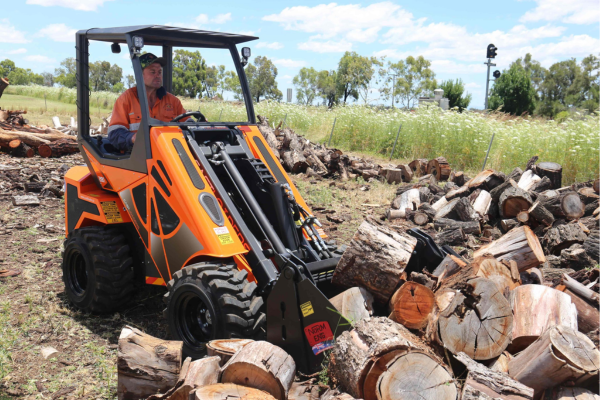
The construction industry demands equipment that is both powerful and maneuverable, making Mini Loaders an ideal solution for a variety of tasks. Their compact design allows contractors to work efficiently in confined spaces where larger machines cannot operate. These loaders are particularly useful in urban construction projects, residential developments, and small-scale renovations where space constraints are a challenge. Whether for excavation, material transport, or site preparation, Mini Loaders provide the agility and strength needed to complete tasks quickly and effectively.
One of the primary uses of a Mini Loader in construction is site preparation. These machines are capable of excavation, trenching, and leveling, which are crucial for laying foundations, installing pipelines, and preparing sites for further development. Their ability to switch between attachments, such as trenchers and grading buckets, makes them incredibly versatile for handling different ground conditions. Construction engineer Paul Stevenson states, “Mini Loaders allow us to perform detailed excavation and site preparation with precision, reducing the need for manual labor and increasing productivity.”
Another key benefit is their ability to transport and lift materials efficiently. Whether moving gravel, sand, bricks, or heavy construction supplies, a Mini Loader streamlines material handling, reducing downtime and improving workflow. Their hydraulic lifting capabilities allow operators to move heavy loads with ease, while their compact size enables navigation through narrow passageways and crowded job sites. Unlike larger machines, Mini Loaders minimize surface damage, making them ideal for projects in delicate environments such as landscaping-heavy construction sites.
Contractors often prefer Mini Loaders over traditional loaders due to their cost-effectiveness, fuel efficiency, and reduced maintenance requirements. These machines provide high power output with lower operational costs, making them a smart investment for construction companies aiming to maximize productivity without increasing expenses. With their growing popularity, Mini Loaders are now considered an essential tool for construction projects of all sizes, ensuring greater efficiency and versatility on modern job sites.
Landscaping and Gardening: Precision and Productivity
In the landscaping and gardening industry, precision and efficiency are crucial for achieving high-quality results. A Mini Loader is a game-changer in this field, offering the ability to perform various soil-related tasks with ease. From moving soil and mulch to grading surfaces and removing debris, these compact machines help professionals complete landscaping projects faster and with greater accuracy. Their maneuverability allows them to access tight spaces, such as backyard gardens and residential landscapes, where larger equipment would be impractical.
One of the most common Mini Loader applications in landscaping is soil moving and grading. Whether leveling a yard for new sod installation or preparing land for planting, a Mini Loader ensures even distribution of soil, reducing the need for manual labor. With attachments like grading buckets and power rakes, landscapers can achieve smooth and well-prepared surfaces, enhancing the overall appearance of the project. According to landscape architect Michael Reynolds, "Mini Loaders have revolutionized landscaping by allowing us to grade, move, and shape terrain with unparalleled precision, saving hours of manual labor."
Another significant advantage of Mini Loaders in landscaping is their role in tree planting and debris removal. Planting trees requires digging deep, stable holes, and these machines can efficiently handle this task using auger attachments. Additionally, after storms or during routine maintenance, Mini Loaders help clear fallen branches, leaves, and other debris, keeping landscapes clean and organized. Their ability to transport heavy logs and tree stumps makes them an essential tool for arborists and gardening professionals.
For landscapers looking to maximize efficiency, the right Mini Loader attachments make all the difference. Popular options include grapples for moving heavy objects, trenchers for irrigation installation, and pallet forks for transporting supplies. By choosing the appropriate accessories, professionals can expand the functionality of their Mini Loader, making it a versatile machine for tackling a wide range of landscaping and gardening tasks.
Agriculture and Farming: Enhancing Productivity
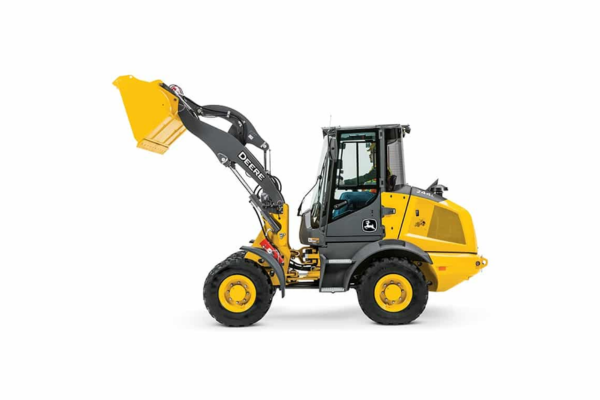
In modern agriculture, efficiency and productivity are key to maintaining a profitable operation. Farmers and ranchers rely on Mini Loaders to handle a variety of essential tasks, from feeding livestock to transporting heavy materials. These compact machines offer a perfect blend of power, maneuverability, and versatility, making them indispensable in both small-scale and large-scale farming. Their ability to navigate tight farm spaces while performing heavy-duty work has made them a popular choice in agricultural settings.
One of the primary uses of a Mini Loader in farming is feeding livestock and material handling. Farmers frequently transport hay bales, grain bags, and animal feed across large areas, and a Mini Loader simplifies this process with bucket or fork attachments. Instead of manual labor or relying on larger, less agile equipment, farmers can efficiently distribute feed while saving time and reducing physical strain. According to agricultural expert James Whitmore, "Mini Loaders have transformed farm operations, allowing farmers to move heavy loads quickly while reducing the need for additional labor."
In addition to livestock care, Mini Loaders are widely used in plowing, tilling, and land preparation. With the right attachments, these machines can break up compacted soil, prepare fields for planting, and assist in irrigation system installation. Farmers can attach rotary tillers or trenchers to a Mini Loader to create furrows, dig trenches, or aerate the soil, improving water absorption and crop yield. Their adaptability across different terrains makes them a go-to piece of equipment for year-round farming activities.
For those looking to get the most out of a Mini Loader on the farm, choosing the right attachments is crucial. Some of the best accessories include silage forks for handling loose materials, grapples for lifting heavy farm debris, and post hole diggers for fencing installation. With these tools, farmers can perform multiple labor-intensive tasks with ease, reducing workload and increasing efficiency. As compact machinery continues to advance, Mini Loaders are expected to become even more integrated into the agricultural industry, helping farmers streamline their daily operations while improving productivity.
Industrial and Warehouse Uses: Versatility in Material Handling
In industrial and warehouse settings, efficiency and precision in material handling are essential for smooth operations. A Mini Loader is an excellent solution for moving heavy materials, loading and unloading trucks, and navigating confined spaces where larger machinery would struggle. These compact machines provide businesses with the ability to streamline logistics, reduce labor costs, and improve overall workplace efficiency, making them a valuable investment in various industrial applications.
One of the most significant advantages of a Mini Loader in warehouses and industrial environments is its ability to move heavy pallets and construction supplies. Whether transporting stacks of inventory, shifting raw materials, or positioning equipment, Mini Loaders fitted with pallet forks or grapple attachments offer superior handling capabilities. Their compact size allows them to navigate through aisles, tight storage areas, and loading docks, making them ideal for busy warehouse operations. According to logistics expert Michael Dawson, "Mini Loaders are a game-changer for warehouses and distribution centers, allowing for quick movement of goods without disrupting workflow."
Another critical role of a Mini Loader in industrial settings is its efficiency in loading and unloading trucks. In many facilities, heavy shipments arrive frequently, requiring quick unloading to keep the supply chain running smoothly. Mini Loaders equipped with bucket attachments or lifting forks can speed up this process, preventing delays and reducing reliance on manual labor. Additionally, their precision and maneuverability ensure that fragile or high-value items are handled with care, reducing the risk of damage during transportation.
While Mini Loaders significantly improve operational efficiency, it is essential to follow safety precautions when using them in industrial environments. Operators should be properly trained to maneuver these machines in confined spaces and around other workers. Regular maintenance, such as checking hydraulic systems and tire conditions, ensures smooth operation and prevents workplace accidents. Businesses must also enforce strict safety protocols, such as wearing protective gear and avoiding overloading the Mini Loader, to maintain a safe and productive work environment.
With their versatility, ease of use, and efficiency in material handling, Mini Loaders have become a staple in industrial and warehouse operations. As technology advances, these machines will continue to evolve, offering even greater precision, automation capabilities, and enhanced safety features to meet the growing demands of modern industries.
Conclusion: Why Mini Loaders Are Essential for Various Applications
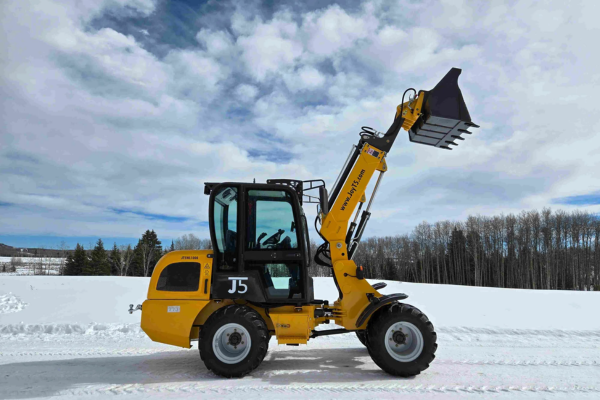
The Mini Loader has proven to be an indispensable tool across multiple industries, offering compact power, efficiency, and versatility. Whether in construction, landscaping, agriculture, or industrial settings, these machines enhance productivity by simplifying material handling, excavation, and site preparation. Their ability to operate in confined spaces where larger equipment cannot makes them a practical choice for businesses seeking efficiency without compromising performance.
Choosing the right Mini Loader depends on the specific tasks and operational requirements of a given industry. Construction companies may benefit from Mini Loaders with robust digging and trenching capabilities, while landscaping professionals may prioritize attachments for soil grading and tree planting. Farmers require loaders equipped for feeding livestock and plowing, whereas industrial users value models that streamline warehouse logistics and transportation. Understanding these industry-specific needs ensures that businesses invest in the most suitable Mini Loader for their operations.
Looking ahead, advancements in compact earthmoving equipment will continue to shape the industry. Innovations in electric Mini Loaders, AI-powered automation, and enhanced fuel efficiency will likely improve their usability and sustainability. As demand grows for environmentally friendly and cost-effective solutions, manufacturers are expected to develop even more specialized models to cater to emerging industry trends.
FAQs: Common Questions About Mini Loaders
1. What is the primary function of a Mini Loader?
A Mini Loader is a compact yet powerful earthmoving machine used for various tasks such as excavation, material handling, leveling, and site preparation. It is widely used in construction, landscaping, agriculture, and industrial operations due to its ability to operate efficiently in confined spaces.
2. How does a Mini Loader compare to a skid steer?
While both Mini Loaders and skid steers are compact equipment, Mini Loaders are generally lighter, more maneuverable, and better suited for tight spaces and delicate surfaces. They often have articulated steering, reducing ground disturbance and increasing stability, making them ideal for landscaping and farming applications.
3. What attachments can be used with a Mini Loader?
Mini Loaders are highly versatile and support multiple attachments, including buckets, trenchers, augers, forks, mulchers, and pallet forks. The choice of attachments depends on the intended application, whether it's digging, grading, lifting, or material transportation.
4. Are Mini Loaders suitable for DIY or homeowner projects?
Yes, Mini Loaders are commonly used for small-scale projects such as yard grading, tree planting, and light construction work. Their ease of operation and compact size make them user-friendly for homeowners and small business owners handling projects without requiring heavy-duty machinery.
5. What factors should I consider when buying a Mini Loader?
When purchasing a Mini Loader, consider factors such as engine power, lifting capacity, weight, attachment compatibility, fuel efficiency, and terrain adaptability. Also, assess whether an electric or diesel-powered model better suits your specific operational needs.



Address: Linshu, Shandong, China
Email: [email protected]
Phone: +86 13296394877
Website: tianhuimachinery.com