



A mini loader is a compact and powerful machine designed for a variety of tasks on smaller construction sites, landscaping projects, and farms. Despite its smaller size, a mini loader offers impressive maneuverability, allowing it to operate in confined spaces and tight areas where larger equipment cannot fit. These machines are equipped with a hydraulic system that powers different attachments, enabling them to dig, lift, move materials, and even grade surfaces. Their versatility makes them essential for tasks such as material handling, trenching, landscaping, and snow removal, all while offering a more affordable and efficient solution compared to larger loaders or machinery.Mini loaders are especially beneficial for smaller-scale operations where space, budget, and time efficiency are key factors. Additionally, their relatively low operating costs, easy maintenance, and fuel efficiency make them an excellent investment for businesses seeking cost-effective machinery. Whether you're digging small trenches, lifting heavy materials, or grading land, a mini loader is a valuable tool to help you complete the job with ease.
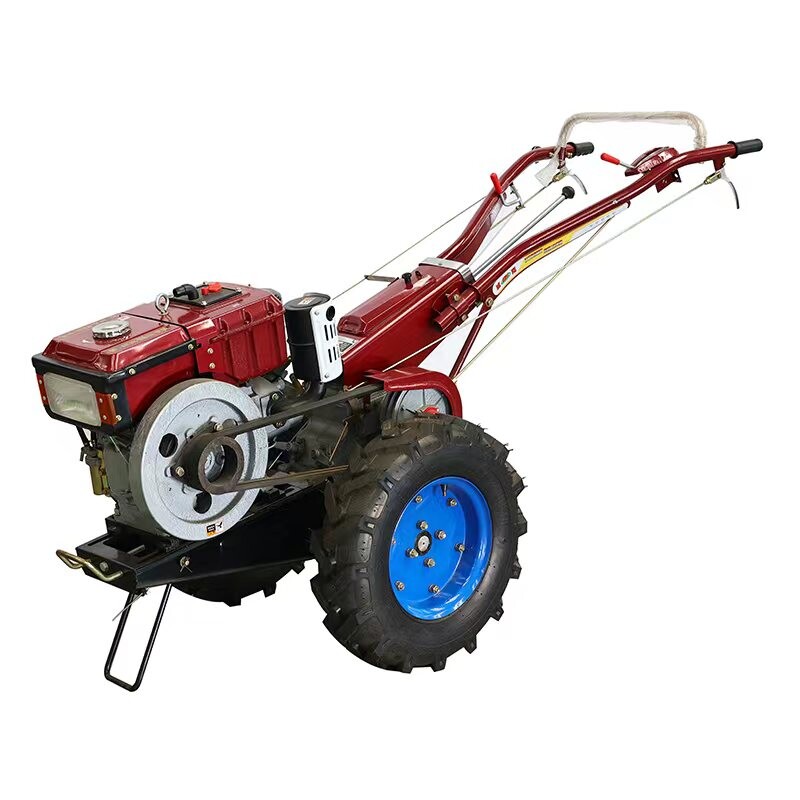
Mini Loader Recommend Products

Mini Loader Detail Introduction
Introduction
A mini loader is an indispensable machine that plays a significant role in many small-scale construction, landscaping, and agricultural projects. This versatile piece of equipment is designed to handle a variety of tasks, from lifting and transporting materials to grading and digging. Whether you're working in a garden, on a construction site, or even at a farm, a mini loader can make tasks easier, faster, and more efficient.
The growing popularity of mini loaders is due to their ability to work in small, confined spaces where larger machinery cannot operate. As urban spaces grow and projects become more specialized, the need for compact, powerful equipment has increased. Unlike traditional loaders or excavators, mini loaders can navigate tight areas, making them ideal for projects with limited access. Their compact size doesn't sacrifice power, and they offer impressive lifting capacities and maneuverability, making them perfect for everything from digging trenches to lifting heavy debris.
Choosing the right mini loader for your project is crucial. The wrong selection could lead to inefficiency, increased costs, and unnecessary delays. By understanding the types of mini loaders available, their key features, and their specific applications, you can make an informed decision that suits both your project needs and budget. Throughout this guide, we will explore the factors to consider when choosing the best mini loader, and how it can significantly enhance productivity and simplify your work processes.
Types of Mini Loaders: Which One Suits Your Needs?
When selecting a mini loader for your project, it's essential to choose the right type based on the tasks you need to complete. There are several models and sizes of mini loaders available on the market, each offering different capabilities and performance characteristics. Understanding the different types will help you make a more informed decision and ensure that your machine can handle your specific tasks efficiently.
1. Skid-Steer Mini Loaders
Skid-steer mini loaders are among the most popular types due to their versatility and compact size. They are designed with four wheels that move independently of each other, which allows them to maneuver in tight spaces with ease. Skid-steer mini loaders are ideal for small to medium-scale tasks, such as lifting, digging, and moving materials. They are especially useful in environments where space is limited, such as urban construction sites or landscaping projects with narrow pathways.
The ability to turn in place makes skid-steer mini loaders excellent for projects requiring tight turns and agile movements. They also have a wide range of attachments, such as buckets, augers, and forks, allowing them to be used for various tasks beyond the basic loading and transporting.
2. Tracked Mini Loaders
Tracked mini loaders are equipped with continuous tracks instead of wheels, which provide better stability and traction on uneven or soft terrain. These loaders excel in off-road applications, such as landscaping in wet or muddy areas, farm operations, or construction in rough environments. The tracks distribute the weight of the loader more evenly across the ground, preventing the machine from getting stuck or damaging the surface.
If your project requires working on slippery or rugged ground, a tracked mini loader will provide the extra stability needed to maintain productivity and prevent delays due to stuck equipment.
3. Wheeled Mini Loaders
Wheeled mini loaders are best suited for smooth, hard surfaces such as concrete or asphalt. These loaders are fast, efficient, and highly maneuverable, making them perfect for tasks in areas where terrain is not a significant concern. They offer excellent mobility and can easily travel between job sites, especially on urban construction sites or large-scale landscaping projects. While they are not ideal for soft or uneven surfaces, their speed and ease of use make them a popular choice for simpler tasks and projects requiring rapid movement.
4. Choosing the Right Type for Your Project
The type of mini loader you choose will depend on your specific needs, including the terrain, the scale of your project, and the tasks you intend to perform. If you’re working in a small, confined space or need a loader that can operate with precision, a skid-steer mini loader may be your best option. On the other hand, if you require more traction on loose or soft surfaces, a tracked mini loader would be more suitable.
For projects that involve hard surfaces and high-speed transport, a wheeled mini loader may be ideal. It’s also essential to consider the load capacity and lifting height of the mini loader, as these factors can influence the efficiency of the loader in completing specific tasks.
Key Features to Consider When Selecting a Mini Loader
Choosing the right mini loader involves more than just picking a model that fits your budget or project size. There are several key features to consider that directly impact the loader’s performance, efficiency, and suitability for your specific tasks. Let’s dive into the essential features that should influence your decision when selecting a mini loader.
1. Engine Power and Hydraulic Capacity
One of the most critical factors when selecting a mini loader is its engine power and hydraulic capacity. The engine power determines how much weight the loader can lift and transport, as well as how well it can handle demanding tasks like digging, grading, or material moving.
Hydraulic capacity, on the other hand, refers to the power of the hydraulic system that drives the attachments. The better the hydraulic system, the more efficient the loader will be at using various attachments, such as buckets, augers, or breakers. If you plan on using the mini loader for heavy-duty tasks, such as excavation or trenching, make sure the engine power and hydraulic capacity are sufficient to handle the workload without straining the machine.
2. Weight Capacity and Size Considerations
Weight capacity is another crucial factor in your selection process. You need to ensure that the mini loader can safely handle the load required by your tasks. Load capacities typically range from 1,000 to 4,000 pounds, depending on the model. Keep in mind that a higher load capacity will likely come with a bigger machine, which could affect its maneuverability, especially in confined spaces.
Size is another consideration. A mini loader needs to be compact enough to maneuver within your project's workspace, especially in landscaping or tight construction zones. If your project involves working in small areas or restricted access points, a smaller, more agile mini loader may be a better fit, even if it comes with a slightly lower weight capacity.
3. Maneuverability and Ease of Operation
Maneuverability is a significant advantage when working with a mini loader, especially for tasks that require precise movement or work in narrow spaces. Factors that contribute to maneuverability include the turning radius, wheelbase, and overall compactness of the machine. A small turning radius allows for sharper turns, which is vital in tight areas like landscaping, roadworks, or urban construction projects.
Additionally, the ease of operation should not be overlooked. Many modern mini loaders come with user-friendly controls, comfortable seating, and ergonomic designs to enhance operator experience. A loader with intuitive controls, clear visibility, and low noise levels will improve productivity and reduce operator fatigue.
4. Bucket Size and Attachment Compatibility
The bucket size is one of the most critical aspects of a mini loader, as it determines how much material you can move at once. Depending on your task (e.g., loading dirt, sand, or gravel), you’ll need to choose a bucket size that aligns with the amount of material you plan to handle. Most mini loaders come with standard bucket sizes ranging from 24 inches to 60 inches, but this can vary depending on the loader's design.
Attachment compatibility is also essential. A mini loader is only as versatile as the attachments it can use. Many loaders offer a wide variety of attachments, from forks and buckets to augers, grapples, and snowplows. Be sure that the mini loader you select is compatible with the attachments you plan to use for your project. For example, if you're planning to dig trenches or clear debris, attachments like trenchers, breakers, or forks could significantly improve your efficiency.
5. Fuel Efficiency and Operating Costs
Operating costs are an essential consideration when purchasing or renting a mini loader. Fuel efficiency plays a significant role in the long-term operating costs of the machine, particularly if the loader will be used frequently over an extended period. Many modern mini loaders are designed to be fuel-efficient, reducing the overall cost of operation and minimizing the need for frequent refueling.
Additionally, take into account the maintenance costs associated with the mini loader. Look for loaders with easy-to-maintain components and a track record of reliability. Regular maintenance helps prevent costly repairs and ensures the longevity of the machine.
Assessing Your Project Needs: Matching the Right Mini Loader to Tasks
Choosing the perfect mini loader for your project goes beyond simply looking at specifications and features. It's essential to evaluate the specific tasks and conditions of your project to ensure the mini loader you choose is well-suited for the job. From digging and grading to lifting and material transport, the right mini loader can significantly enhance your productivity and efficiency. Here are some key considerations to help you match the right mini loader to your project needs.
1. Identifying Specific Tasks: Lifting, Digging, Grading, or Material Transport
The first step in assessing your project needs is to identify what tasks you’ll be using the mini loader for. Different tasks require different types of attachments, engine power, and capacity. For instance:
- Lifting: If your primary goal is to lift heavy materials like bricks, stones, or construction debris, you’ll need a mini loader with sufficient lifting capacity and strong hydraulics. Attachments like pallet forks can be incredibly useful for material handling.
- Digging: For tasks such as trenching or digging foundations, you’ll need a mini loader with a powerful digging attachment (like a backhoe or auger). The digging depth and reach of the machine will be crucial for this type of work.
- Grading: If your project requires leveling or grading land, you’ll want a mini loader with a grading blade or other suitable attachment. This type of task demands a machine with excellent maneuverability and a strong hydraulic system.
- Material Transport: For hauling materials like gravel, dirt, or mulch, a mini loader with a bucket attachment is ideal. The size and weight capacity of the bucket should align with the amount of material you need to move regularly.
2. How Soil Conditions, Terrain, and Accessibility Affect Your Choice
The conditions of the terrain and soil are key factors that influence the performance of a mini loader. For example:
- Soil Conditions: Soft or wet soil may require a mini loader with wider tracks or a low ground pressure design to prevent it from getting stuck. In contrast, a wheeled loader may perform better on firm or rocky ground. It's essential to understand the soil type of your project site to make the best choice.
- Terrain: Steep slopes or uneven ground can impact the stability and maneuverability of your mini loader. A tracked mini loader offers better traction and stability on sloped or rough terrain, making it ideal for landscaping or construction in hilly areas. On the other hand, a wheeled model may be more suitable for flat, paved surfaces, as it offers better speed and maneuverability.
- Accessibility: If your project site is located in tight, confined spaces or narrow access points, you’ll need a compact mini loader that can easily navigate through these areas. A mini loader with a small turning radius and good maneuverability will ensure you can efficiently work in small spaces without sacrificing performance.
3. Project Scope: Small-Scale vs. Large-Scale Jobs
The scale of your project is another factor to consider when selecting a mini loader. For smaller jobs, a compact and lightweight mini loader with a lower weight capacity might be sufficient. These models are ideal for residential landscaping or light construction work, where maneuverability and ease of use are more important than high lifting power.
For larger-scale jobs, such as commercial landscaping, site preparation, or large construction projects, you might need a more powerful mini loader with a higher lifting capacity, greater digging depth, and the ability to accommodate heavy-duty attachments. These larger machines will offer better productivity and efficiency for demanding tasks but may be less agile in confined spaces.
4. Matching Your Project Requirements with Mini Loader Features
To ensure you're getting the most out of your mini loader, carefully match the machine's features with your project needs. Consider the following:
- Hydraulic System: For heavy lifting, digging, or operating high-demand attachments like breakers or augers, you'll need a machine with a robust hydraulic system that can deliver the necessary power.
- Bucket Size and Attachments: A larger bucket is useful for transporting more material, while smaller buckets offer better precision for tasks like grading. Choose attachments that match the specific demands of your project for maximum versatility.
- Maneuverability and Weight: If you're working in tight spaces, look for a mini loader with a small footprint and excellent maneuverability. Consider the weight of the machine and how easy it is to transport to and from the job site.
Mini Loader Attachments and Accessories: Expanding the Machine’s Functionality
One of the biggest advantages of a mini loader is its versatility. By adding different attachments and accessories, you can significantly enhance its functionality, allowing the machine to handle a wide range of tasks across various projects. Whether you’re involved in construction, landscaping, or farming, the right mini loader accessories can improve both the efficiency and effectiveness of your operations. Here’s a breakdown of common attachments and accessories for mini loaders and how they expand the machine’s capabilities.
1. Buckets: Essential for Material Handling
Buckets are perhaps the most essential and commonly used attachment for mini loaders. They come in various sizes and configurations to suit different tasks, from light landscaping to heavy-duty material handling. Some key types of buckets include:
- General-purpose buckets: Perfect for scooping and moving materials like dirt, gravel, or sand. They are widely used for site preparation and general landscaping.
- Ditching buckets: These are designed with a narrower profile, ideal for digging trenches, grading, and clearing ditches. They are especially useful in construction projects and utilities work.
- Grading buckets: These are specifically shaped for leveling and grading work, giving you better control and precision when preparing surfaces for paving or planting.
When selecting a bucket, consider the capacity of your mini loader and the type of material you’ll be handling to ensure optimal performance.
2. Forks: Perfect for Lifting and Transporting
Fork attachments are invaluable when you need to lift and transport materials such as pallets, lumber, or heavy containers. These attachments help extend the mini loader’s capability to carry bulkier loads, making them ideal for construction sites, warehouses, and farms. Some features to look for when choosing forks include:
- Adjustable fork width: Allows for flexibility in carrying different sizes of loads.
- Heavy-duty capacity: Ensure the forks can handle the weight of the materials you plan to lift.
Fork attachments can save time and effort when moving heavy objects, reducing manual labor and increasing productivity.
3. Augers: Ideal for Digging Holes
When your project requires precise hole digging, such as for planting trees, installing fence posts, or drilling for utility lines, an auger attachment is invaluable. Augers come in various sizes and designs, making it easy to dig holes of different diameters and depths. The auger’s rotating design allows for faster and cleaner holes compared to manual digging.
When choosing an auger attachment for your mini loader, consider the following:
- Bit size: Choose a bit size based on the project’s requirements—larger bits for wide holes or smaller bits for narrower, more precise digging.
- Extension options: If your project involves deep holes, you may need extensions to increase the digging depth.
Using an auger attachment can greatly improve efficiency, especially for landscaping, fencing, or foundation work.
4. Grapples: Handling Brush, Logs, and Heavy Materials
Grapples are another useful accessory that enhances the functionality of a mini loader. These attachments are designed for grasping, lifting, and moving bulk materials, such as logs, brush, rocks, and debris. There are several types of grapples available:
- Standard grapples: Typically used for general material handling, such as moving logs, rocks, and construction debris.
- Root grapples: Specialized for clearing trees, roots, and large debris from the ground, making them ideal for landscaping and site preparation.
- Fork grapples: These combine the versatility of forks with a grapple mechanism, allowing for both lifting and securing of loads, perfect for handling irregular materials like scrap metal or large containers.
5. Snow Plows and Snow Blades: Efficient Snow Removal
In colder climates, snow removal becomes an essential part of many projects. Snow plow and snow blade attachments are excellent additions to a mini loader, allowing it to clear snow efficiently from driveways, walkways, parking lots, and construction sites. Key features of snow plows include:
- Adjustable blade angles: Allows the operator to direct snow to the side or forward, improving control and efficiency.
- Durability: Ensure the snow blade is made from strong materials, as it needs to withstand frequent contact with tough, frozen surfaces.
A mini loader with a snow blade attachment is a valuable investment for those operating in snowy regions or in industries where snow removal is necessary.
6. Trenchers: Excavating Precise Trenches
For projects that involve trenching, such as laying pipes or installing irrigation systems, a trencher attachment can make the job significantly easier. Trenchers are designed to dig narrow, deep trenches with precision. They can handle different soil types, including rocky terrain, and are essential for tasks that require exact trench dimensions. When choosing a trencher for your mini loader, consider:
- Trench width and depth: Different trenchers can cut trenches of varying sizes, so choose one that meets your project’s specifications.
- Soil compatibility: Some trenchers are better suited for soft soil, while others are built to handle more challenging conditions like compacted dirt or rock.
Cost Considerations: Budgeting for Your Mini Loader and Accessories
When choosing a mini loader, it’s essential to consider not only the initial purchase price but also the long-term costs associated with the equipment. A mini loader is an investment, and understanding the full financial picture will help you make an informed decision. Here's a breakdown of the key cost considerations to keep in mind when budgeting for your mini loader and its attachments.
1. Initial Purchase Price: Different Models, Different Costs
The initial cost of a mini loader varies widely depending on factors such as size, brand, and specifications. Generally, mini loaders can range from a few thousand dollars for smaller models to tens of thousands for larger, more advanced units. It's important to match the features of the mini loader to your project requirements to ensure that you're getting the best value for your money.
Here are some things to keep in mind:
- Brand and quality: Reputable brands may charge a premium, but they often offer better durability, warranty, and customer support. Investing in a high-quality machine can save you money on repairs and maintenance in the long run.
- Machine specifications: The larger and more powerful the machine, the higher the cost. However, if you don't need a machine with extensive capabilities, opting for a smaller, more affordable mini loader could be the better choice.
2. Long-Term Operating Costs: Fuel and Maintenance
Once you’ve acquired a mini loader, the ongoing operating costs are significant factors to consider. These include fuel costs, maintenance, and repairs, all of which can add up over time.
- Fuel consumption: Depending on the size of the mini loader, fuel consumption can vary. Smaller models tend to be more fuel-efficient, while larger models may consume more fuel, especially when working with heavy-duty tasks. Always check the fuel efficiency specifications before making a purchase.
- Maintenance and repairs: Routine maintenance such as oil changes, filter replacements, and hydraulic fluid checks is essential to keep your mini loader in top condition. Additionally, repairs can be costly, especially if the equipment is used extensively or if the loader is exposed to harsh conditions. Consider factoring in annual maintenance costs when budgeting for your equipment.
To minimize long-term costs, consider purchasing a mini loader with lower maintenance requirements, such as those with fewer moving parts or advanced diagnostic systems that can alert you to potential issues before they become major problems.
3. Cost of Attachments and Accessories
The accessories and attachments you add to your mini loader will also impact the overall cost. Attachments such as buckets, augers, or grapples can range in price from a few hundred to several thousand dollars, depending on their size, material, and complexity. Here are some factors that influence the cost of attachments:
- Type of attachment: Common attachments like buckets or forks are typically less expensive than specialized tools like trenchers, snow blades, or stump grinders.
- Material and build quality: Higher-quality attachments made from durable materials, such as steel, tend to cost more but can last longer and perform better, especially in tough environments.
- Versatility: Multi-functional attachments that can handle multiple tasks may cost more upfront but provide long-term savings, as they can replace the need for multiple separate tools.
When selecting attachments, make sure they align with your project needs to avoid unnecessary expenditures on features that won’t add value to your work.
4. Financing Options and Rental Costs
If the upfront cost of purchasing a mini loader is too high, many companies offer financing options that allow you to pay for the equipment over time. Financing can help spread out the cost, making it easier to manage within your project budget. Keep in mind that financing options may involve interest or other fees.
Alternatively, if your mini loader needs are temporary, renting a mini loader could be a cost-effective solution. Rental costs vary based on the length of time you need the machine and the type of loader required. Renting allows you to only pay for the equipment when you need it, without committing to the long-term investment of ownership. However, if you anticipate frequent use of the equipment, purchasing may provide better value in the long term.
5. Resale Value
Another factor to consider when budgeting for a mini loader is its resale value. Well-maintained mini loaders from reputable brands tend to hold their value better than lesser-known brands. If you plan to upgrade or sell your mini loader in the future, it's important to consider how easily the machine can be resold and whether it will retain a good percentage of its original value.
Maintenance Tips for Your Mini Loader: Keeping It in Top Shape
Maintaining your mini loader is essential for ensuring it performs efficiently and lasts longer. Regular maintenance not only prevents costly repairs but also helps optimize the machine's productivity and minimizes downtime. Here are some key maintenance tips to keep your mini loader in top condition.
1. Regular Fluid Checks and Changes
The fluids in your mini loader, including engine oil, hydraulic fluid, and coolant, play a critical role in maintaining smooth operation. Keeping these fluids at the correct levels and ensuring they are free of contaminants is essential for optimal performance.
Engine oil: Make sure to check the engine oil regularly and change it as per the manufacturer's recommendations. Old or dirty oil can cause the engine to overheat or suffer from increased friction, leading to engine damage.
Hydraulic fluid: The hydraulic system is responsible for powering various functions such as lifting and tilting. Hydraulic fluid should be checked frequently to ensure it remains at the proper level and is clean. Contaminants in the fluid can damage the hydraulic system, resulting in costly repairs.
Coolant: Proper coolant levels prevent the engine from overheating. Always check the coolant system and ensure the radiator is clean and functioning properly.
2. Tire and Track Maintenance
Whether your mini loader is wheeled or tracked, keeping the tires or tracks in good condition is crucial for maintaining maneuverability and traction. Both types of undercarriages experience wear over time and require regular attention.
Wheeled models: Check for proper tire inflation to ensure the machine operates efficiently. Underinflated tires can cause reduced traction and uneven wear, while overinflated tires may cause damage to the tires and affect stability.
Tracked models: Ensure the tracks are properly tensioned to avoid excessive wear or jamming. Regularly inspect for signs of damage, such as cracks or tears, and replace tracks when necessary. Lubricating the track rollers and idlers is also important for keeping them moving smoothly.
3. Inspect and Clean the Air Filters
Air filters prevent dirt, dust, and debris from entering the engine and other critical components. Over time, air filters can become clogged, reducing engine efficiency and increasing fuel consumption. Regular inspection and cleaning of the air filter are essential.
- Cleaning or replacing: Check the air filter every 50-100 hours of operation, depending on the conditions in which the mini loader is used. If it is clogged or damaged, replace it immediately to maintain proper airflow to the engine.
4. Inspect the Hydraulic System
The hydraulic system of a mini loader powers key functions, such as the lift arms and bucket movements. Keeping this system in good condition is crucial for overall performance.
Hydraulic hoses: Regularly inspect hydraulic hoses for signs of wear, cracks, or leaks. Replacing damaged hoses early can prevent catastrophic hydraulic failures.
Pump and valve checks: The hydraulic pump and valves should be inspected for smooth operation. If you notice any unusual noises or decreased performance, it may indicate a problem with the hydraulic components.
5. Grease the Moving Parts
Mini loaders have various moving parts that require regular lubrication to ensure smooth operation and prevent wear and tear. Grease fittings are found on areas such as the joints, boom, bucket, and other pivot points. Ensure that these parts are properly lubricated according to the manufacturer’s maintenance schedule.
- Grease application: Apply the recommended grease at the designated grease points and ensure that grease is evenly distributed to avoid excessive friction between moving parts. This will help prolong the life of your mini loader.
6. Check the Battery and Electrical System
The electrical system is responsible for powering the starter motor, lights, and other electrical components of the mini loader. Regularly check the battery to ensure it is in good condition and properly charged.
Battery maintenance: Clean the battery terminals regularly to prevent corrosion and ensure a strong connection. If the battery is old or showing signs of reduced performance, it may need to be replaced.
Electrical connections: Inspect the electrical wiring and connections for any signs of damage or wear. Addressing any issues promptly can prevent electrical failures that could affect the loader's performance.
7. Follow Manufacturer’s Maintenance Schedule
The best way to ensure your mini loader operates at peak performance is to follow the manufacturer’s maintenance schedule. Each machine comes with a recommended maintenance plan, including how often to change fluids, check parts, and replace components. Adhering to this schedule will help you keep track of necessary maintenance and avoid missing any crucial tasks.
8. Post-Work Cleaning and Storage
Proper cleaning and storage are equally important in maintaining your mini loader’s longevity. After each use, clean off dirt, debris, and any materials that may have collected on the loader during the workday.
Washing: Regularly wash the exterior of the machine, particularly the undercarriage, to prevent soil, mud, and other materials from accumulating, which can cause rust or other long-term damage.
Storage: When not in use, store your mini loader in a dry, sheltered area to protect it from the elements. Exposure to moisture can lead to corrosion, while extreme temperatures can cause mechanical and electrical issues.
Conclusion
Choosing the right mini loader for your project is crucial for maximizing productivity, reducing labor time, and ensuring long-term efficiency. As we’ve explored throughout this guide, the key to making the best decision lies in understanding the specific needs of your tasks, assessing the appropriate features, and selecting the right attachments that enhance the functionality of your machine.
By considering factors such as engine power, weight capacity, maneuverability, and compatibility with your project requirements, you can make an informed decision. Additionally, regular maintenance is essential to keep your mini loader operating at peak performance, ensuring that it remains a reliable and efficient tool for years to come.
Whether you're working on landscaping, construction, or agricultural tasks, the right mini loader can significantly improve your project's speed and overall results. By following the tips outlined in this guide, you can confidently choose the right equipment for your needs, making your work easier, faster, and more efficient.
FAQs: Common Questions About Mini Loaders
1. What is the difference between a wheeled and tracked mini loader?
Wheeled mini loaders are ideal for flat, solid surfaces such as paved roads or construction sites where mobility and speed are important. On the other hand, tracked mini loaders offer better stability and traction on uneven, muddy, or soft ground. If you're working in areas with challenging terrain, tracked models may be a better fit.
2. How much weight can a mini loader typically lift?
The lifting capacity of a mini loader can vary based on its size and type. Generally, mini loaders can lift between 1,000 to 2,500 pounds, though larger models may be able to handle even more. It's important to choose a model that aligns with your project's specific weight requirements.
3. Are mini loaders easy to operate for beginners?
Yes, many mini loaders are designed with ease of use in mind, especially those with intuitive controls and user-friendly interfaces. However, like any heavy machinery, it’s essential to undergo proper training or hire an operator if you're new to using equipment of this nature. Most manufacturers also offer user manuals and instructional videos.
4. Can I use a mini loader for both digging and lifting?
Absolutely! Many mini loaders come with a variety of attachments, including buckets for digging and forks for lifting. The versatility of mini loaders allows them to perform a wide range of tasks, from material handling and trenching to grading and lifting.
5. How often should I perform maintenance on my mini loader?
Routine maintenance is vital to ensuring the longevity and performance of your mini loader. It’s recommended to check the fluids (oil, coolant, hydraulic fluid) and perform basic inspections (tire pressure, track wear, and engine condition) every 50-100 hours of use. For more extensive tasks, like replacing air filters or inspecting the hydraulic system, refer to the manufacturer's guidelines.